Sustainable Shopping: Explore Our Eco-Friendly Products

In a world increasingly aware of environmental issues, sustainable shopping has become more than just a trend; it’s a necessity. Consumers are now more conscious of their purchasing decisions, seeking products that not only meet their needs but also align with their values. This blog post will guide you through the importance of sustainable shopping and introduce you to a range of eco-friendly products that can help you make a positive impact on the planet.
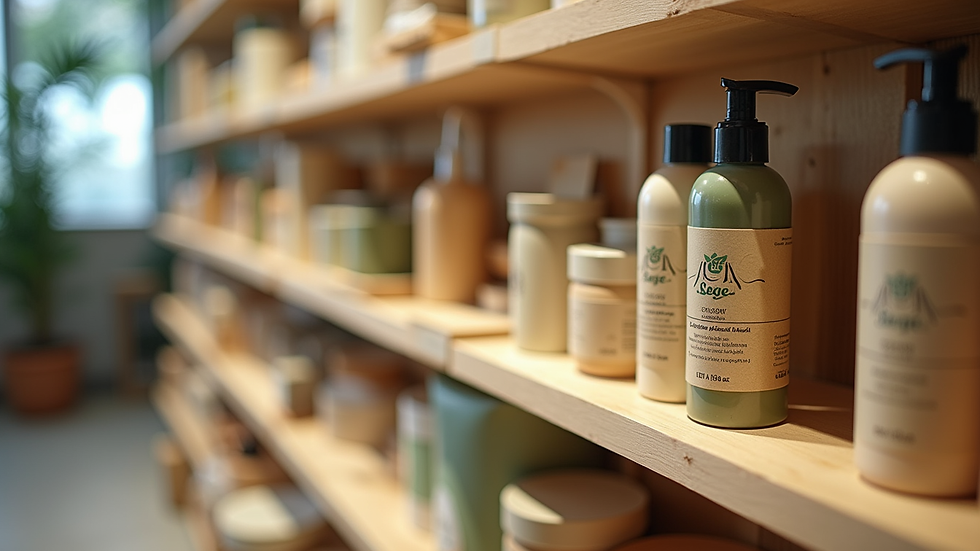
Understanding Sustainable Shopping
Sustainable shopping refers to the practice of purchasing products that are environmentally friendly, ethically produced, and socially responsible. This approach to shopping aims to reduce the negative impact on the planet and promote a healthier lifestyle. Here are some key aspects of sustainable shopping:
Eco-Friendly Materials: Products made from renewable resources, recycled materials, or organic substances.
Ethical Production: Ensuring fair labor practices and safe working conditions for those involved in the manufacturing process.
Minimal Packaging: Reducing waste by opting for products with minimal or biodegradable packaging.
Local Sourcing: Supporting local economies and reducing carbon footprints by purchasing locally made products.
By choosing sustainable products, consumers can contribute to a healthier planet while also supporting ethical practices.
The Benefits of Sustainable Shopping
Engaging in sustainable shopping offers numerous benefits, not just for the environment but also for consumers and communities. Here are some of the most significant advantages:
Environmental Impact
Sustainable shopping helps reduce pollution, conserve natural resources, and decrease waste. By choosing eco-friendly products, consumers can significantly lower their carbon footprint. For example, opting for reusable bags instead of single-use plastic bags can prevent millions of plastic bags from ending up in landfills each year.
Healthier Choices
Many sustainable products are made from natural ingredients, free from harmful chemicals and toxins. This is particularly important for food and personal care items. By choosing organic or non-toxic products, consumers can promote better health for themselves and their families.
Supporting Ethical Practices
When you shop sustainably, you often support companies that prioritize fair labor practices and ethical sourcing. This means that your purchases contribute to better working conditions and fair wages for workers around the world.
Economic Benefits
Sustainable shopping can also have positive economic impacts. By supporting local businesses and artisans, you help strengthen local economies. Additionally, investing in durable, high-quality products can save money in the long run, as these items often last longer than their cheaper, less sustainable counterparts.
Eco-Friendly Product Categories
Now that we understand the importance and benefits of sustainable shopping, let’s explore some eco-friendly product categories that you can incorporate into your shopping habits.
1. Clothing and Accessories
The fashion industry is one of the largest polluters globally, making sustainable clothing a crucial area for improvement. Here are some options to consider:
Organic Cotton: Look for clothing made from organic cotton, which is grown without harmful pesticides and chemicals.
Recycled Materials: Brands are increasingly using recycled materials to create new garments. This helps reduce waste and the demand for new resources.
Second-Hand Shopping: Thrift stores and online resale platforms offer a treasure trove of pre-loved clothing, reducing the need for new production.
2. Home Goods
Your home can also reflect your commitment to sustainability. Consider these eco-friendly home goods:
Bamboo Products: Bamboo is a fast-growing, renewable resource. Look for bamboo utensils, toothbrushes, and furniture.
Natural Cleaners: Many conventional cleaning products contain harmful chemicals. Opt for natural cleaners made from vinegar, baking soda, and essential oils.
Energy-Efficient Appliances: Investing in energy-efficient appliances can reduce your energy consumption and lower your utility bills.
3. Personal Care
Personal care products are often filled with synthetic ingredients that can harm both your health and the environment. Here are some sustainable alternatives:
Biodegradable Toiletries: Choose biodegradable toothbrushes, razors, and cotton swabs to minimize plastic waste.
Natural Skincare: Look for skincare products made from natural ingredients, free from parabens and sulfates.
Reusable Menstrual Products: Consider using menstrual cups or washable cloth pads, which are more sustainable than disposable options.
4. Food and Beverages
Food choices play a significant role in sustainability. Here are some tips for making eco-friendly food choices:
Local and Seasonal Produce: Buy fruits and vegetables that are in season and sourced locally to reduce transportation emissions.
Plant-Based Diet: Incorporating more plant-based meals into your diet can significantly lower your carbon footprint.
Bulk Buying: Purchase grains, nuts, and other staples in bulk to reduce packaging waste.
5. Transportation
Transportation is a major contributor to greenhouse gas emissions. Here are some sustainable transportation options:
Public Transit: Use buses, trains, or subways to reduce your reliance on personal vehicles.
Biking and Walking: For short distances, consider biking or walking instead of driving.
Carpooling: Share rides with friends or coworkers to minimize the number of vehicles on the road.
How to Start Your Sustainable Shopping Journey
Transitioning to sustainable shopping doesn’t have to happen overnight. Here are some practical steps to help you get started:
Educate Yourself
Learn about the brands and products you purchase. Research their sustainability practices and ethical standards. Many companies now provide transparency about their sourcing and production processes.
Make a Plan
Before shopping, create a list of items you need and prioritize sustainable options. This will help you stay focused and avoid impulse purchases.
Start Small
Begin by replacing a few everyday items with eco-friendly alternatives. For example, switch to a reusable water bottle or a bamboo toothbrush. Gradually expand your sustainable choices as you become more comfortable.
Support Local Businesses
Whenever possible, shop at local stores and markets. This not only supports your community but also reduces the carbon footprint associated with shipping products long distances.
Share Your Journey
Talk about your sustainable shopping experiences with friends and family. Sharing your journey can inspire others to make more eco-friendly choices.
Conclusion
Sustainable shopping is not just a trend; it’s a lifestyle choice that can lead to a healthier planet and a better future for all. By choosing eco-friendly products and supporting ethical practices, you can make a significant impact with your purchasing decisions. Start small, educate yourself, and embrace the journey toward a more sustainable lifestyle. Together, we can create a better world for future generations.
Take the first step today and explore our range of eco-friendly products that align with your values. Your choices matter, and every small action contributes to a larger change.


Comments